
Minnesota & Western Wisconsin

Cabins, Land & Recreational Properties

A place by the water, room to roam, or land for your next chapter. Start with what you want to do there—and what the property actually allows.

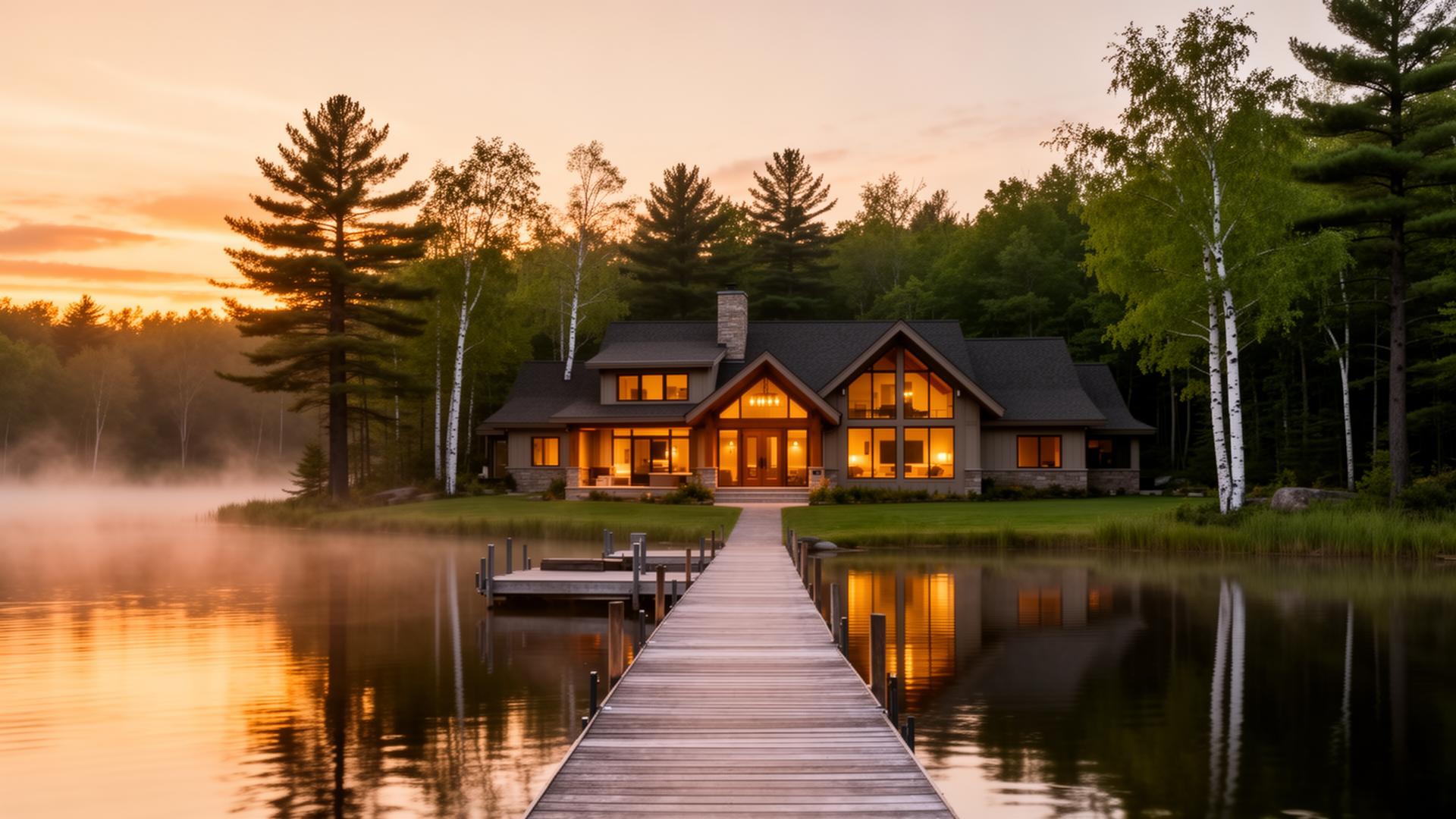
A lakeside home with a wooded shoreline

Plan the property around your life

A weekend cabin, a year-round lake home, an acreage home and an undeveloped recreational parcel are different purchases. Before narrowing your search, decide how you will use the property, when you need access, and what you can spend on upkeep as well as the purchase.

For land intended for camping, trails, hunting or a future home, confirm the proposed use with local authorities. Review boundaries, recorded access, easements and any restrictions with your title company or attorney. Do not assume that acreage, a trail or an existing structure makes a parcel buildable or grants permission for your intended recreation.

Plan Your Cabin or Land Purchase

Cabins & lake homes

On lake property, the location, water and the access set the value. Look at frontage, shoreline rules, and whether the place works in the seasons you plan to use it.

The water itself

Frontage length, shoreline type, depth at the dock, weeds, and which direction the view faces will all be determining factors. Two homes on the same lake can be very different buys depending on where they are on that lake! Access type is worth considering, do you care more about the view? a specific lake or river? what about recreation? how you plan to use your water front property make a big difference. Consider deeded access properties as a great option to reduce overall cost and tax burden!

Rules and setbacks

Shore-land regulations affect what you can build, remove, or rebuild. Ask before you plan an addition or a boat house.

In Minnesota, local governments administer shoreland zoning based on state standards; the waterbody classification and local ordinance matter. In Wisconsin, local shoreland ordinances implement state standards and may impose additional restrictions. Ask the county, city, or township about the specific parcel and your proposed work rather than assuming a neighboring property establishes what is allowed.

Check permitted uses, shoreline setbacks, vegetation rules, and requirements for docks, additions, or rebuilding. If rental income is part of the plan, confirm local short-term rental rules and any association restrictions before counting on that income.

Seasonal reality

Winter road access, plowing, insulation, water shutoff, and whether the septic is sized for year-round use. Most cabins and lake properties are built for year round use, but occasionally we run into seasonal properties that for one reason or another, are only suitable for spring, summer, and fall months. Plan accordingly, if this use case suits you, you may be able to score a deal!

Review recorded access rights and any private-road maintenance agreement with your title company or attorney. Confirm who handles plowing, whether emergency services can reach the property, and whether water and heating systems support your intended season of use. Visit in more than one season when practical, and request summer shoreline photos if snow or ice limits what you can inspect.

Private well and septic checks

Ask for well records, recent water tests, septic plans, pumping records, and available inspection or compliance documents. A general home inspection does not replace a specialized system evaluation. Confirm the system’s condition and permitted capacity with qualified professionals and the local authority, especially if you plan more bedrooms or year-round occupancy.

Include water testing and septic evaluation in your due-diligence plan. Budget for ongoing maintenance and possible repairs; existing equipment is not a guarantee of potable water or a compliant system.

Financing

Not all loan types are available for seasonal use cabins, additionally second home loans are subject to different lending requirements. An experienced lender familiar with second home loans is key here.

Tell the lender whether the property will be your primary home, a second home, or a rental. Ask how seasonal utilities, access, condition, and intended rental use affect eligibility and the appraisal. Obtain property-specific guidance before committing, and request insurance quotes early, including any flood coverage your lender requires.

Before you make an offer

Write down your intended use, preferred lakes or areas, season of occupancy, and budget for upkeep. Gather the parcel and access documents, contact local zoning staff, and discuss inspection timing with your agent. Bring those details to AM Realty MN so we can help organize your search and the questions to resolve before closing.

Search by lake and by access type, not just by town. That is how good lake buys are actually found.

Read the full cabin and lake-home guide

Acreage & recreational land

On acreage, the land decides more than the house, if there even is one! Check viability, water availability, utility access, sewer requirements, restrictions, easements and zoning before you fall in love with the space

Water and waste

If there's already a well, we want to know the depth, age, and water quality testing results. If a septic is present, we want to know the age, capacity, type and compliance status. Installation and replacement costs are significant, so this is not a minor detail.

Request well records, recent water-test results, septic plans, pumping history, and any inspection or compliance documents. Have qualified professionals evaluate the systems and confirm local requirements. A listing description is not proof of water quality, system condition, or permitted capacity.

Access

Is the driveway on your land? Are there Easements? Is the road public or private? And who plows in winter, and is that in writing?

Confirm legal access in the recorded documents with your title company or a real estate attorney. Check any shared-drive or private-road agreement for maintenance responsibilities and costs. Physical access during a showing does not establish a legal right to use the road.

Zoning and use

How you intend to use the land will matter. We'll want to know what you may build, how many animals you may keep, and whether outbuildings or a home business are permitted as applicable to your situation. Rules vary by county and township.

For undeveloped land, ask the local planning and environmental-health offices about buildability, setbacks, wetlands, septic suitability, and permit requirements before assuming a home site is possible. Confirm power, internet, and water options with the providers, including installation costs. Acreage alone does not tell you how much land is usable.

Financing

Some lenders treat acreage, hobby farms, and outbuildings differently. Use a lender who has closed these before. Raw land is subject to it's own financing hurdles, fortunately we can help with those too.

Ask about the specific parcel before relying on a pre-approval: land-only purchases, seasonal dwellings, agricultural use, and unusual outbuildings may need different financing. USDA guaranteed home loans are intended for eligible primary residences in eligible rural areas, not a general loan option for recreational land or vacation cabins.

Ask about these questions before making an offer, and ideally before even checking out the property. They eliminate more properties than price does, saving you time and energy in the long run.

Read the full acreage guide

Let’s plan your cabin or land purchase

Tell Alex & Amanda your preferred area, intended use, budget and timeline. If you have a property in mind, include its address or parcel information so we can help organize the questions to resolve before an offer.

Plan Your Next Move

Sources & further reading

General education from AM Realty MN, brokered by LPT Realty, LLC. Not legal, tax or lending advice. Rules and financing depend on the specific property, local authority and lender. Confirm current requirements before committing.