Multi-family & investment
Build a rental portfolio, one home at a time.
From your first duplex to your fifth rental, we help Minnesota and Western Wisconsin buyers find properties that pay them back — and plan each next step.
Investment property types: strengths and weaknesses
Whether you're a seasoned investor or buying your first rental, every property type comes with tradeoffs. Here's how they compare in Minnesota.
Single-family homes
Strengths
- Tend to attract stable, long-term tenants
- One tenant is usually simpler to manage
- Strong long-term appreciation potential
Weaknesses
- Lower total rent than multi-unit properties
- A vacancy means no rental income
- All of your risk sits in one unit
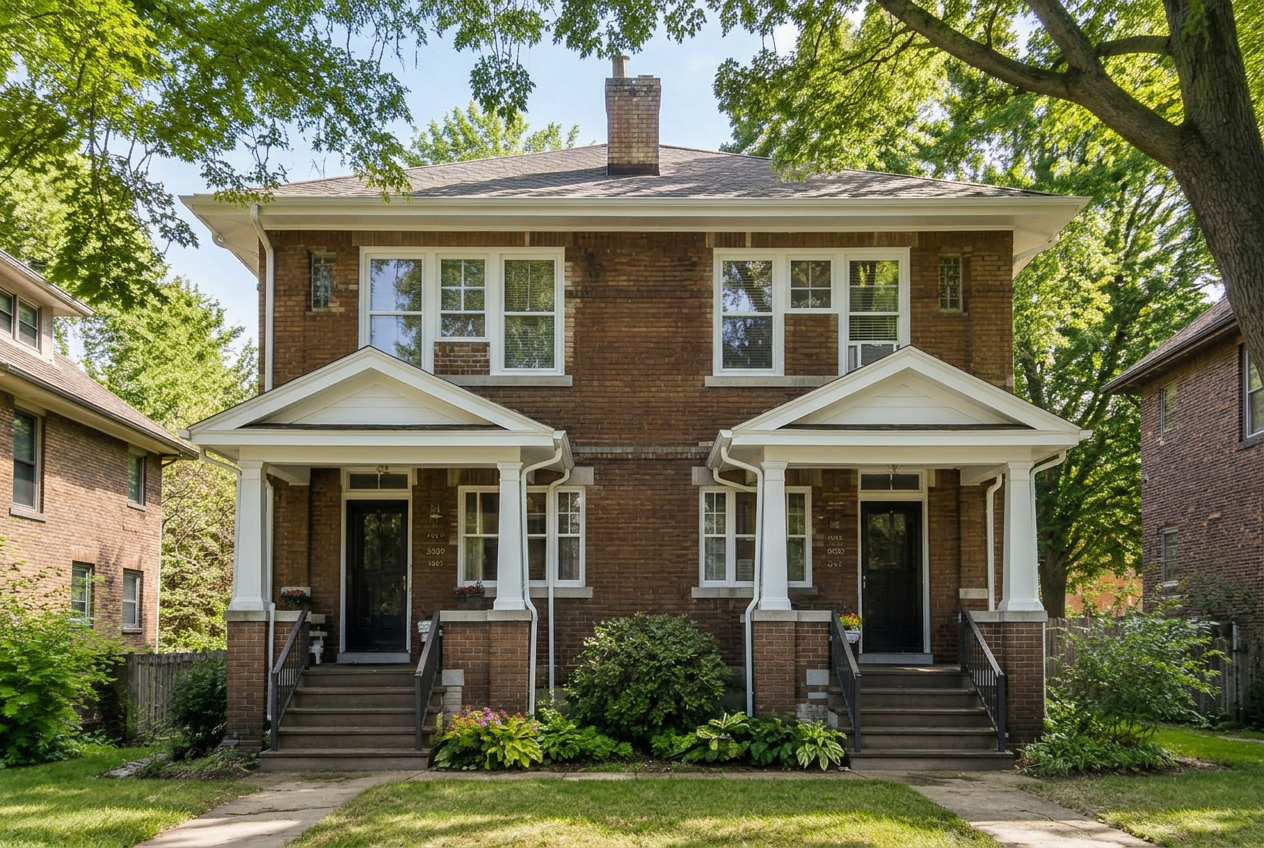
Multi-family properties
Strengths
- Several units means several rent checks, softening vacancies
- Maintenance and management costs can be shared across units
- Risk is spread over more tenants
Weaknesses
- More tenants means more management time
- Usually a larger upfront investment
- Values can be sensitive to market conditions
Vacation rentals
Strengths
- Strong income potential in popular destinations
- You can use it yourself when it isn't booked
- Peak seasons can bring in substantial income
Weaknesses
- Income can drop sharply in the off-season
- Constant cleaning, upkeep, and marketing
- Success depends heavily on location and hospitality skills
Commercial properties
Strengths
- Business tenants often pay higher rent
- Longer leases mean more predictable cash flow
- Triple-net leases can shift operating costs to the tenant
Weaknesses
- Business tenants can still turn over
- Values are tied closely to the local economy
- Requires more specialized knowledge
Raw land
Strengths
- Land in growing areas may appreciate significantly
- Freedom to develop it or sell to a developer
- Usually lower holding costs than built property
Weaknesses
- No immediate income, aside from leases like hunting rights
- Development costs and approvals can be significant
- Returns depend on future value growth, most likely a very long game investment
How owner occupants grow a portfolio
Living in the property you buy unlocks the best loan terms. A signed lease on the unit you leave behind can then help you qualify for your next home. Repeat, and you're building wealth with every move.
- 1
Buy a home you live in, with room for tenants
Owner-occupant loans usually offer the lowest down payments and rates. A duplex, triplex, fourplex, or a home with a legal accessory unit lets you live in one unit while rent from the others helps cover the mortgage.
- 2
Live there for the required occupancy period
Owner-occupied loans generally require you to move in within about 60 days of closing and intend to live there for at least 12 months. Check your loan's exact terms with your lender before you plan the next step.
- 3
Sign a lease on the unit you're leaving
When you're ready to move up, a signed lease on your current unit can show lenders the rental income that unit will bring in. Lenders often count a portion of that rent — commonly 75% — toward qualifying for your next home, which can help you afford a higher-value property.
- 4
Buy your next owner-occupied home
With your current home now a rental, you can use another owner-occupant loan on the next property, as long as you truly intend to live there. Your first home keeps working for you as a rental.
- 5
Repeat, then scale with DSCR loans
Repeating this every year or two can grow a small rental portfolio. Once you're buying properties you won't live in, DSCR loans can qualify you based on the property's rent instead of your personal income.
Loan options to know
FHA (2–4 units, owner-occupied)
- Down payment as low as 3.5% for qualified buyers
- You must live in one of the units
- 3–4 unit properties must pass a rent "self-sufficiency" test
Conventional (2–4 units, owner-occupied)
- Low down payment options on 2–4 unit homes for qualified buyers
- Projected rent from the other units can help you qualify
- Private mortgage insurance can be removed later
VA (2–4 units, owner-occupied)
- Eligible veterans and service members may buy with no down payment
- You must live in one of the units
- Rental income may count toward qualifying with documentation
DSCR (investment properties)
- Qualifies on the property's rent, not your W-2 or tax returns
- Typically 20–25% down and higher rates than owner-occupied loans
- Can often close in an LLC; not for homes you'll live in
How DSCR loans work
DSCR = monthly rent ÷ monthly payment (principal, interest, taxes, insurance, and HOA)
If a property rents for $2,400 a month and the full payment is $2,000, the DSCR is 1.2. Many lenders look for about 1.0 to 1.25 or higher, though requirements vary by lender.
Common questions
What is a DSCR loan?
A debt service coverage ratio (DSCR) loan is an investment-property mortgage that qualifies you mainly on whether the property's rent covers its payment. It's popular with self-employed buyers and investors growing a portfolio, but usually needs a larger down payment and carries a higher rate.
Can I buy a duplex with a low down payment?
Often, yes, if you'll live in one unit. FHA, conventional, and VA loans all have owner-occupied options for 2–4 unit homes. A lender can confirm what you qualify for.
How long do I have to live in the home before renting it out?
Most owner-occupied loans expect you to live there for at least 12 months. After that, life changes and moving up are normal, and you can rent your former unit. Never claim you'll live in a home you don't intend to — that's mortgage fraud.
How does a lease help me buy my next home?
A signed lease on the home you're leaving documents its future rental income. Lenders often count part of that rent toward your qualifying income, which offsets the existing mortgage and can let you qualify for a higher-value next home.
What should I look for in a Minnesota rental property?
Look at rent compared to the full payment, the condition of roofs, mechanicals and separate utilities, local rental licensing rules, and how easy the units are to rent. Cities such as Minneapolis and St. Paul require rental licenses. Some cities are also rent controlled, this needs to be factored in as well.
Ready to buy your first (or next) rental?
Tell us your goals and we'll map out the properties and loan path that fit.
Plan Your Next MoveSources
- HUD — FHA single family housing policy handbook
- Fannie Mae Selling Guide — rental income
- VA home loans
This page is general education, not lending, legal, or tax advice. Loan programs and requirements change — confirm details with a licensed lender.